
Emerging markets are catching more attention than ever for their influence on worldwide consumer trends. There’s a lot of energy and innovation coming from these regions, with new products catching on quickly and sometimes even sparking global fads. Having spent years exploring market trends and product launches, I’ve seen firsthand how products from Latin America, Africa, Southeast Asia, and Eastern Europe are breaking into mainstream shelves everywhere. In this article, I’ll highlight some of the top-selling products currently gaining popularity outside their home territories, offer a fresh look at why they matter, and explain what makes them so appealing across borders.
The Appeal of Emerging Markets in the Global Scene
Emerging markets often get written off as places to find cheaper manufacturing or raw materials. In reality, these regions are shaping what people use, eat, and enjoy all around the world. There’s a strong push for new ideas, affordability, and approaches that work for young, urban consumers. People want more variety, stories behind their purchases, and products that feel authentic or even a little unexpected. For global shoppers, this brings more choices and a fresh take on everyday stuff.
Tech advances and the wide reach of social media have helped even small brands from emerging markets build an instant presence in dozens of countries. Viral trends on TikTok and Instagram can turn local sensations into global favorites with surprising speed.
Popular Categories Driving International Demand
Some product categories really stand out when it comes to exporting trends from developing regions. Three main categories keep leading the way: beauty and skincare and consumer electronics. There’s a good mix of tradition and innovation in each one.
- Beauty and Skincare: K-beauty kicked off this trend, but now skincare routines and makeup lines from India, Brazil, and South Africa are giving shoppers access to native botanicals and traditions combined with the latest research. These products often balance affordability with effective results.
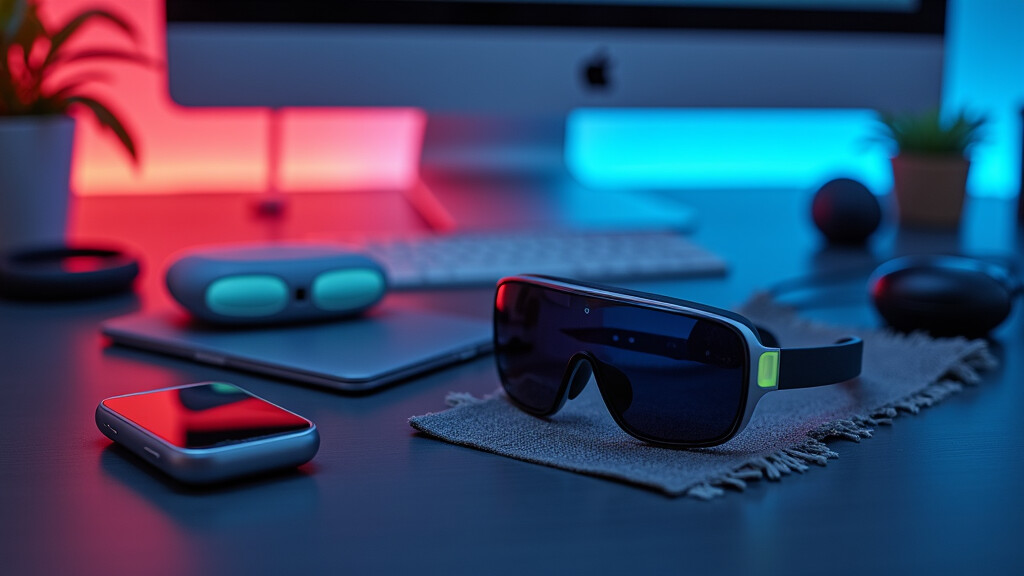
- Consumer Electronics: Tech innovation is not just a Silicon Valley story. Startups from China, Vietnam, and India are coming up with budgetfriendly smart devices, wearables, and home automation gadgets. These meet the need for accessible, functional, and reliable technology without premium price tags.
Beauty and Skincare: Traditional Meets Trendy
Skincare brands from emerging markets stand out by blending ancient therapies with modern science. I’ve seen people swap pricey serums for more affordable, plantbased options from these regions.
- Ayurvedic Skincare from India: Brands use herbs like turmeric, neem, and ashwagandha. Their crueltyfree formulas and simple packaging appeal to young, ecominded shoppers in Australia, the UK, and the US.
- Brazilian Hair and Body Care: Brazil’s obsession with hair and beachready skin has led to lotions, oils, and keratin hair products. Iconic ingredients like açaí and cupuaçu have become common in international beauty aisles.
- South African Botanicals: Marula oil and rooibos extracts are popping up in facial oils, cleansers, and creams, loved for their antioxidant properties and gentle feel.
Many of these brands work with local communities and support ethical sourcing, sometimes partnering with womenowned businesses. Such connections are more important than ever to today’s global buyers, who are looking for meaningful impact as well as great results.
What’s more, some companies bundle selfcare rituals and tips in their marketing, teaching new customers how to use their products. This sharing of cultural knowledge gives buyers a richer experience, building loyalty and curiosity for more.
Consumer Electronics: Affordable Innovation
Emerging markets are not just manufacturing gadgets; they’re designing and branding them, too. The focus is on what everyday users actually need, from long battery life to rugged durability and budget pricing.
- Affordable Smartphones: Brands from China and India, like Xiaomi and Tecno, offer highspec models at a fraction of equivalent Western products’ cost.
- Wearable Devices: Fitness trackers and smartwatches from Southeast Asia package the basics (sleep tracking, step counts, notifications) for much less than premium brands. This lets more people try wearable tech without a steep investment.
- Smart Home Gadgets: Vietnamese and Indonesian startups are selling Wifienabled plugs, bulbs, and security cams that work with global platforms like Google Home and Alexa.
Some companies even introduce gadgets with features tailored to local markets (such as dustresistant phones or solar charging), and those tweaks make the products intriguing abroad. Financing options and warranty support further help these brands grow in popularity internationally, making it easier for people to access the latest tech innovations.
What Makes These Products Catch On Globally?
When a product from an emerging market takes off internationally, I usually spot a combination of these factors in play:
- Affordability: Low production costs and streamlined supply chains let these companies sell outside their home country without big markups.
- Innovative Ingredients or Features: Traditional herbs, spices, and creative tech solutions set these products apart from what’s normally available.
- Strong Storytelling: Local identity and provenance matter. When brands highlight their origins and community impact, they build global loyalty.
- Ease of Access: E-commerce platforms like Alibaba, Shopee, and Amazon help brands reach buyers everywhere, often skipping distributors entirely.
In addition to these, adaptable packaging and customer support in multiple languages help products appeal to broader audiences, leading to faster adoption worldwide.
Challenges for Global Expansion
Despite this exciting rise, brands from emerging markets have hurdles to clear. Here are a few issues I regularly see:
- Regulatory Barriers: Health, safety, and tech standards vary from country to country. Companies need to adjust packaging, ingredients, and product info to fit these rules, which can slow launches.
- Perception Gaps: Some buyers worry about quality or authenticity before trying a new brand. Social proof, influencer reviews, and partnerships with known retailers help address these concerns.
- Distribution & Logistics: Getting products from regions with less advanced infrastructure into the global market isn’t simple. Fast, reliable international shipping remains tough for many small brands.
Also, rising competition from established players means emerging brands need to keep stepping up their quality and marketing efforts to stay relevant abroad. Even so, many are proving that with persistence and innovation, they can win over international customers.
Tips for Finding the Best Global Goods
If you want to jump into top-selling products from emerging markets, a few strategies can help buyers and businesses get the most value:
- Check Ecommerce Marketplaces: Sites like Shopee, Lazada, and Mercado Libre are goldmines for trending local products.
- Look for Certifications: Seals such as “USDA organic,” “Fair Trade,” or “ISO certified” show products meet recognized quality or sustainability standards.
- Read International Reviews: Feedback from users in different countries provides balanced insight. This helps pick which brands truly deliver.
- Follow Global Influencers: Social media creators who showcase new products or travel often highlight upandcoming snacks, gadgets, or beauty items.
- Start with Small Orders: Before buying bulk for resale or distribution, order samples to doublecheck flavor, quality, or usability.
Networking with other importers or local buyers can also offer useful recommendations, and attending virtual trade shows for emerging markets is another way to track down new opportunities or sample products firsthand.
Frequently Asked Questions
Question: Why are products from emerging markets becoming so popular globally?
Answer: These products often blend affordability, creative flavors or features, and compelling origin stories. Social media buzz and global ecommerce make it easier for them to get noticed.
Question: What kinds of products tend to do best internationally?
Answer: Food and drinks, beauty and skincare, and easyaccess tech gadgets lead the way. Items that solve everyday needs with a twist usually catch on fastest.
Question: How can I be sure a product is authentic or safe?
Answer: Look for certifications, clear ingredient lists, and reliable online reviews. Buying through trusted platforms that offer buyer protection adds extra security.
Question: What supports long-term success for emerging market products worldwide?
Answer: Ongoing quality control, adapting to global standards, clear branding, and building authentic ties with local communities are all super important for loyal global audiences.
Bottom Line on Shopping Beyond Borders
The world of products is truly more connected than ever, and emerging markets are at the heart of that mix. From nextlevel cool gadgets to effective skincare rooted in tradition, these regions are bringing serious energy to global shelves. Stumbling upon these products doesn’t just mean trying something new; it’s a great way to experience global cultures from home.
It pays to stay curious, read reviews, and reach out to brands with questions or feedback. Whether you’re shopping for yourself or looking for items to sell, chances are you’ll stumble upon something new, practical, and sometimes even lifechanging as emerging markets keep shaping what’s trending around the world.